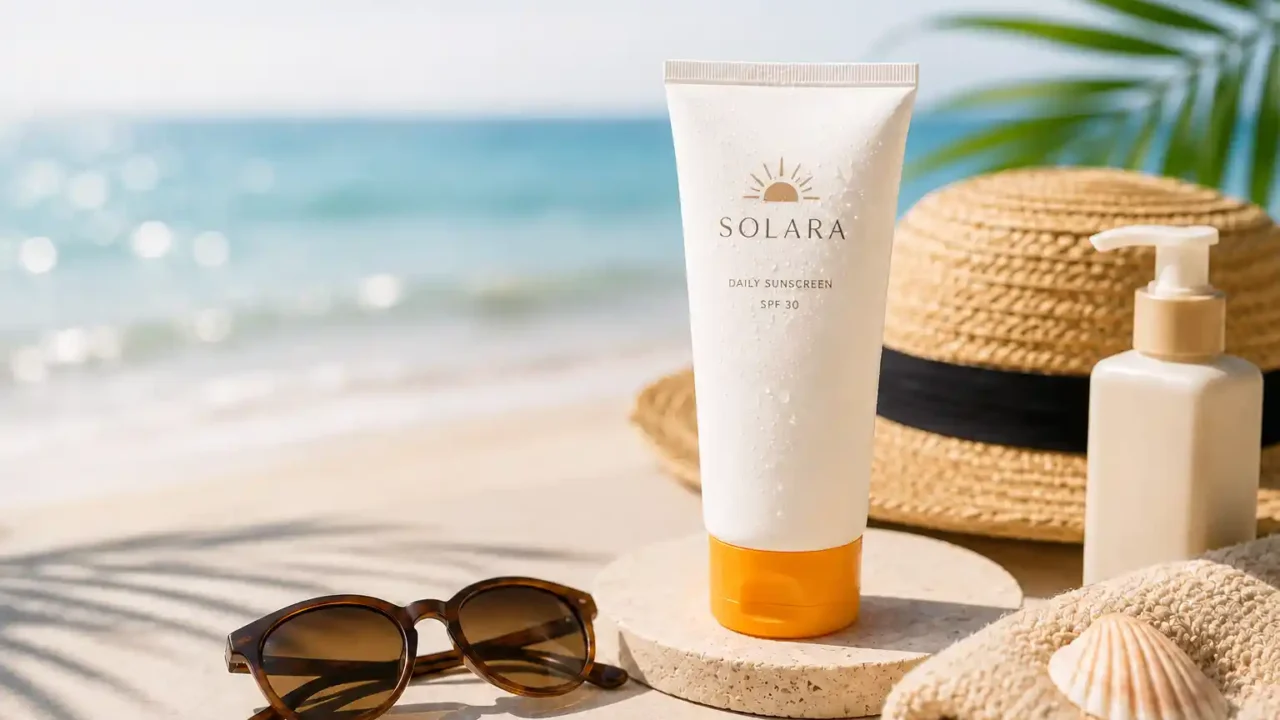
A daily sunscreen buying guide should help you choose a sunscreen you can actually use every day, not just one that looks good on a shelf. This daily sunscreen buying guide is meant to make the choice easier before you spend money on a product you may not use consistently.
Sunscreen seems simple until you start comparing labels. You see SPF numbers, broad-spectrum claims, mineral formulas, chemical formulas, water resistance, face sunscreens, body sunscreens, sprays, sticks, gels, creams, and tinted options. After a few minutes, the choice can feel more complicated than it should.
The best sunscreen is not always the most expensive one. It is usually the one that fits your skin, your routine, your climate, and the way you spend time outdoors.
This daily sunscreen buying guide breaks down the practical things to check before you buy, so you can choose a product that feels comfortable enough to use consistently.
Why daily sunscreen matters
Daily sunscreen is not only for beach days.
People often think about sunscreen when they are swimming, traveling, hiking, or spending hours outside. But sun exposure also happens during normal routines: walking, commuting, driving, running errands, sitting near windows, or spending short periods outdoors.
A good sunscreen should protect against UV exposure while still feeling comfortable enough for daily use. If it feels too greasy, too heavy, too sticky, or too visible on your skin, you are less likely to use it regularly.
A daily sunscreen buying guide is useful because daily use depends on comfort as much as protection.
That is why this daily sunscreen buying guide focuses on real buying decisions, not just label claims.
1. Check for broad-spectrum protection
The first thing to look for is broad-spectrum protection.
Broad-spectrum sunscreen is designed to help protect against both UVA and UVB rays. UVB rays are mainly associated with sunburn, while UVA rays are linked with skin aging and deeper skin exposure.
A sunscreen that only focuses on SPF without broad-spectrum protection may not give the balanced protection most people expect.
When comparing products, look for:
- Broad-spectrum protection
- UVA/UVB protection
- SPF 30 or higher
- Water resistance, if you sweat or swim
- A formula that fits your skin type
This is one of the most important checks in any daily sunscreen buying guide because SPF alone does not tell the full story.
The U.S. Food and Drug Administration explains sunscreen labeling around SPF, broad-spectrum protection, and water resistance, which makes it a useful reference when checking product claims.
2. Choose the right SPF for daily use
SPF stands for sun protection factor. In simple terms, it relates to protection against UVB rays, the rays most associated with sunburn.
For everyday use, many dermatology sources recommend SPF 30 or higher. That does not mean higher SPF is useless, but bigger numbers can sometimes give people a false sense of security. A sunscreen with SPF 50 still needs to be applied properly and reapplied when needed.
A practical daily sunscreen buying guide should not tell you to buy the highest SPF automatically. Instead, it should help you choose a sunscreen that you will apply correctly and consistently.
For most people, a good daily choice is:
- SPF 30 or higher
- Broad-spectrum protection
- Comfortable texture
- Suitable face or body use
- Easy reapplication
- Skin compatibility
A daily sunscreen buying guide should always connect SPF with real use, not just the number printed on the front label. If you spend more time outdoors, sweat often, swim, or live in a very sunny climate, a higher SPF and water resistance may be worth considering.
3. Decide between mineral and chemical sunscreen
Sunscreens are often grouped into mineral and chemical formulas.
Mineral sunscreens usually use ingredients such as zinc oxide or titanium dioxide. These products often sit on top of the skin and can be preferred by people with sensitive skin, although some formulas may leave a white cast.
Chemical sunscreens use UV filters that absorb UV rays. They often feel lighter and more invisible on the skin, which can make them easier to wear daily.
Neither type is automatically perfect for everyone.
Mineral sunscreen may be better if you want:
- A formula often chosen for sensitive skin
- A more physical-feeling barrier
- Fragrance-free or gentle options
- A product that may suit delicate skin needs
Chemical sunscreen may be better if you want:
- A lighter texture
- Less visible residue
- Easier layering under makeup
- A more transparent finish
The best choice depends on your skin, comfort, and how the sunscreen behaves after a few hours of wear.
4. Match the texture to your routine
Texture is one of the biggest reasons people stop using sunscreen.
A sunscreen can look perfect on paper but fail in real life if it feels uncomfortable. If it makes your skin oily, pills under makeup, leaves a heavy film, or stings your eyes, it will probably sit unused.
Think about when and how you will use it.
For face use, you may prefer:
- Lightweight lotion
- Gel cream
- Fluid sunscreen
- Tinted sunscreen
- Oil-free formula
- Matte finish
For body use, you may prefer:
- Larger lotion bottle
- Spray for convenience
- Water-resistant cream
- Stick for small areas
- Easy-spread formula
For many people, texture is the reason a daily sunscreen buying guide matters more than a simple product list. A good daily sunscreen should fit into your routine without feeling like an extra burden. If you use moisturizer, makeup, or other skincare products, check whether the sunscreen layers well.
5. Check water resistance honestly
Water resistance matters if you sweat, swim, exercise, travel, or spend time outdoors in hot weather.
A sunscreen labeled water resistant should state how long the water resistance lasts, often 40 or 80 minutes depending on the product. But water resistant does not mean waterproof. It still needs to be reapplied after swimming, sweating, towel drying, or extended time outside.
This is where many people misunderstand sunscreen labels.
If you want sunscreen for office days, a lightweight daily formula may be enough. If you want sunscreen for travel, beach days, sports, or outdoor work, water resistance becomes much more important.
A practical daily sunscreen buying guide should separate normal daily use from high-exposure use. One product may not be ideal for every situation.
6. Think about your skin type
Your skin type should influence what sunscreen you buy.
If you have oily skin, a heavy sunscreen may feel uncomfortable and make your face look shiny. If you have dry skin, a matte sunscreen may feel tight. If you have sensitive skin, fragrance and certain ingredients may cause irritation.
For oily skin, look for:
- Oil-free
- Non-comedogenic
- Matte finish
- Gel or fluid texture
- Lightweight feel
For dry skin, look for:
- Moisturizing formula
- Cream texture
- Hydrating ingredients
- Comfortable finish
For sensitive skin, look for:
- Fragrance-free
- Mineral options
- Simple ingredient list
- Products designed for sensitive skin
For deeper skin tones, white cast can be a real issue. In that case, transparent chemical formulas, tinted mineral sunscreens, or newer mineral textures may be more comfortable. The right daily sunscreen buying guide should help you match protection with the way your skin actually behaves.
The sunscreen that works best is the one you can wear without fighting the texture every morning.
7. Choose face and body sunscreen differently
Face sunscreen and body sunscreen do not always need to be the same product.
Body sunscreen is often sold in larger bottles and may be more affordable per ounce. Face sunscreen usually focuses more on texture, finish, skin feel, and compatibility with skincare or makeup.
For your face, you may care more about:
- No eye sting
- No pilling
- No greasy finish
- No white cast
- Comfort under makeup
For your body, you may care more about:
- Value size
- Easy spreading
- Water resistance
- Coverage
- Reapplication convenience
This does not mean you must buy separate products. But if your body sunscreen feels too heavy on your face, a separate face sunscreen can make daily use easier.
Spray, stick, lotion, or cream?
Different sunscreen formats work for different situations.
Lotions and creams are usually easier to apply evenly because you can see and feel where the product goes. Sprays can be convenient, but they need careful application to avoid missing areas. Sticks are useful for small zones like the nose, ears, hairline, or around the eyes.
For daily use, lotion or fluid sunscreen is often the easiest starting point.
For travel or reapplication, you may want:
- A stick sunscreen for small areas
- A spray for body reapplication
- A compact face sunscreen
- A larger bottle for home use
- A water-resistant option for outdoor days
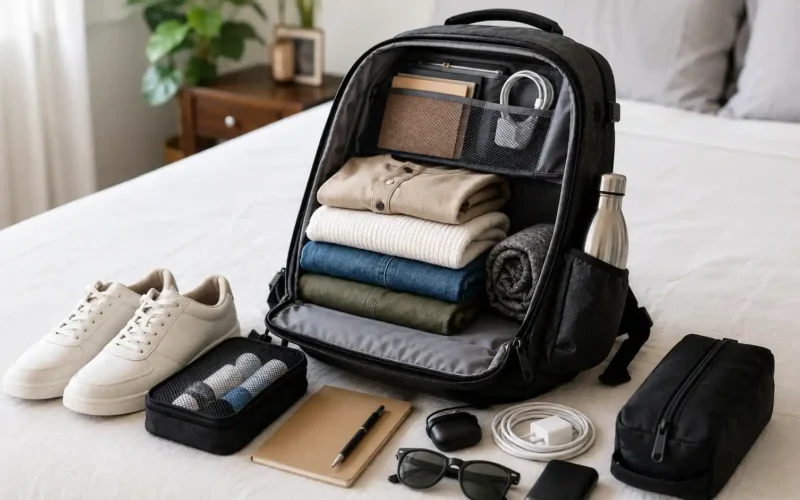
Do not choose the format only because it looks convenient. Choose the format you will apply properly. If you are packing sunscreen for a short trip, it also helps to choose travel accessories that keep liquids and skincare products organized.
Common sunscreen buying mistakes
Many sunscreen mistakes happen before the product is even used.
One common mistake is buying sunscreen only because the SPF number is high. SPF matters, but it is not the only factor. Broad-spectrum protection, texture, skin compatibility, and proper use also matter.
Another mistake is buying a sunscreen that feels bad on your skin. If you hate the texture, you will not use it consistently.
People also forget to check whether the product is meant for face, body, sport, water exposure, or everyday skincare use.
Before buying, avoid these mistakes:
- Choosing only by SPF number
- Ignoring broad-spectrum protection
- Buying a texture you dislike
- Assuming water resistant means waterproof
- Forgetting reapplication needs
- Using body sunscreen on the face if it irritates you
- Buying a tiny bottle for full-body use
The same logic applies when checking whether an online deal is actually useful before you buy.
A daily sunscreen buying guide can help you slow down and compare the product by protection, comfort, and real daily use. A smart daily sunscreen buying guide should help you avoid these small mistakes before they become wasted money.
When is a higher-priced sunscreen worth it?
A more expensive sunscreen can be worth it if it solves a real problem.
For example, if a higher-priced product feels better on your face, does not sting your eyes, works under makeup, avoids white cast, and makes you more likely to use sunscreen daily, it may be worth paying more.
But price alone does not guarantee better protection.
A budget sunscreen with broad-spectrum SPF 30 or higher can still be a practical choice if you apply it properly and use enough. A luxury sunscreen that you barely use is not a better purchase.
Pay more when the product gives you:
- Better comfort
- Better daily consistency
- Better skin compatibility
- Better finish
- Better reapplication experience
Do not pay more only for packaging or vague marketing claims.
Use this daily sunscreen buying guide to decide whether the higher price solves a real problem or only improves the packaging.
Final thoughts
A daily sunscreen buying guide should make the decision easier, not more complicated.
Start with the basics: broad-spectrum protection, SPF 30 or higher, a texture you like, and a formula that matches your skin and routine. Then think about water resistance, reapplication, face versus body use, and whether you need mineral, chemical, tinted, or sensitive-skin options.
The best sunscreen is the one you will actually use. A good daily sunscreen buying guide should lead you toward a sunscreen you can wear often, reapply when needed, and trust in your routine.
If you choose a daily sunscreen that feels comfortable, fits your routine, and gives the protection you need, it becomes much easier to make sunscreen part of everyday life.